EST. 1962
History of WSM
Six decades of hand-built British motorsport
Chapter I — Origins (1962)
Origins
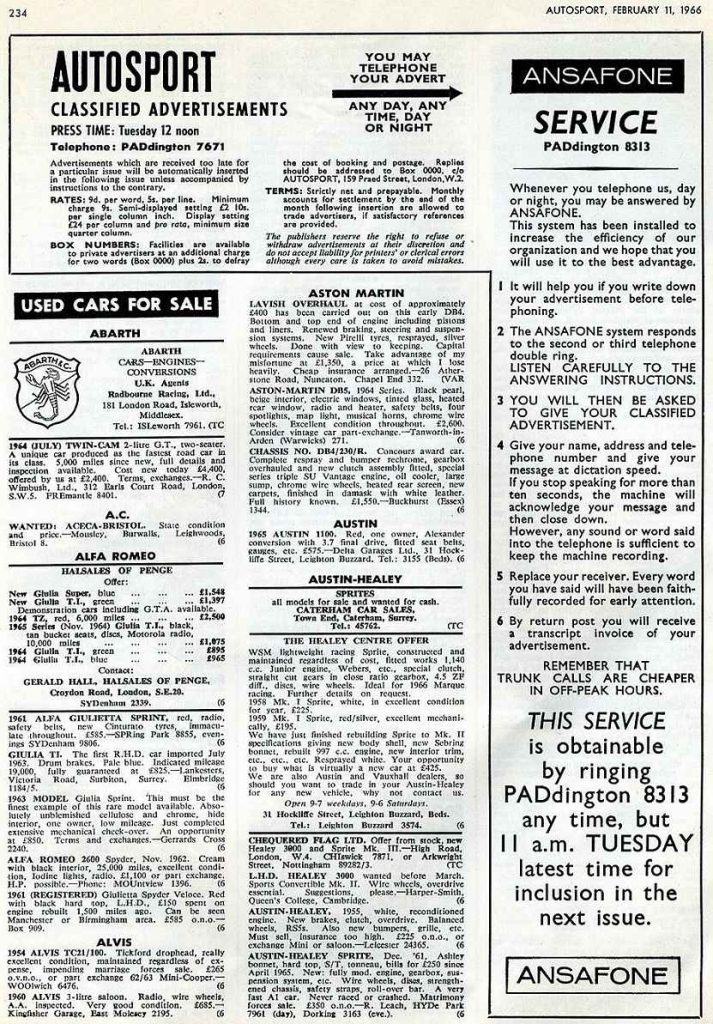
WSM Cars was founded in 1962 by Douglas Wilson-Spratt and Jim McManus, trading as Delta Garage on the Isle of Man. What began as a project to build the first special-bodied Austin-Healey Sprite soon evolved into a legendary run of bespoke vehicles, affectionately nicknamed “Wuzzums” by Laurette Wilson-Spratt.
The original production run consisted of nine cars, built for discerning owners across the UK, Europe and the United States. The bodies were meticulously constructed in aluminium by Peel Coachworks on the Isle of Man, representing the pinnacle of specialist British coachbuilding of the era.
Jim McManus had previously spent seven years at the Donald Healey Motor Company in London. It was through competition entries that he first met Douglas, and together they coined the name “WSMs” — Wilson-Spratt & McManus.
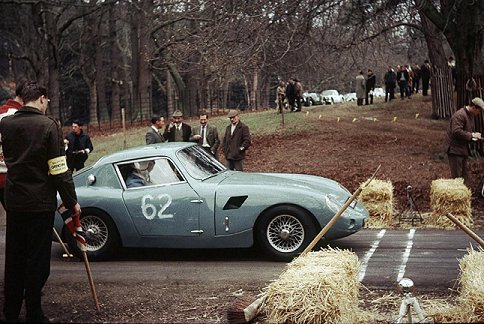
Archive Photography — 1962–1965
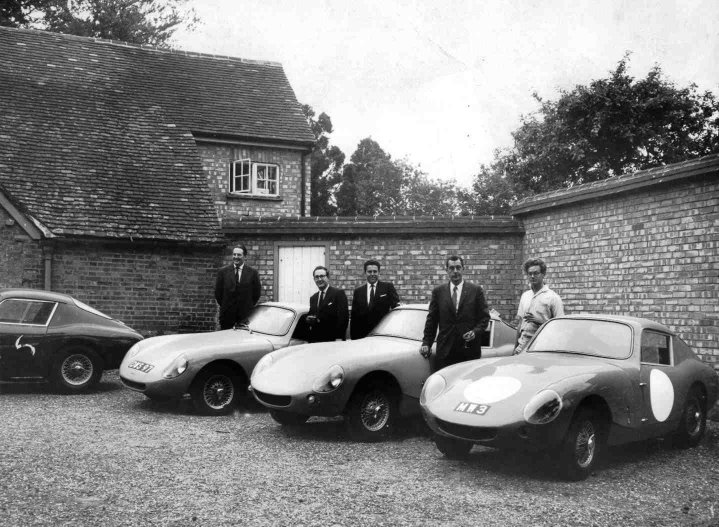
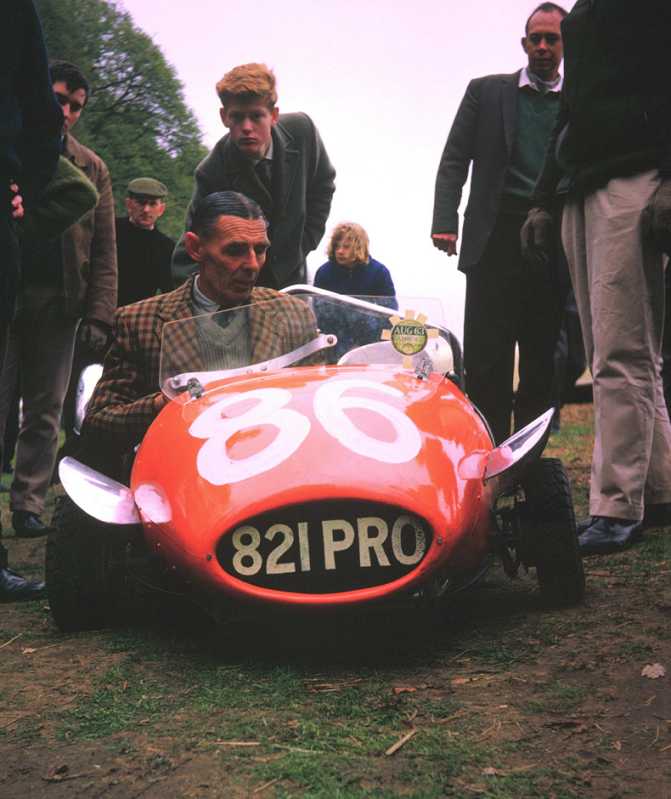
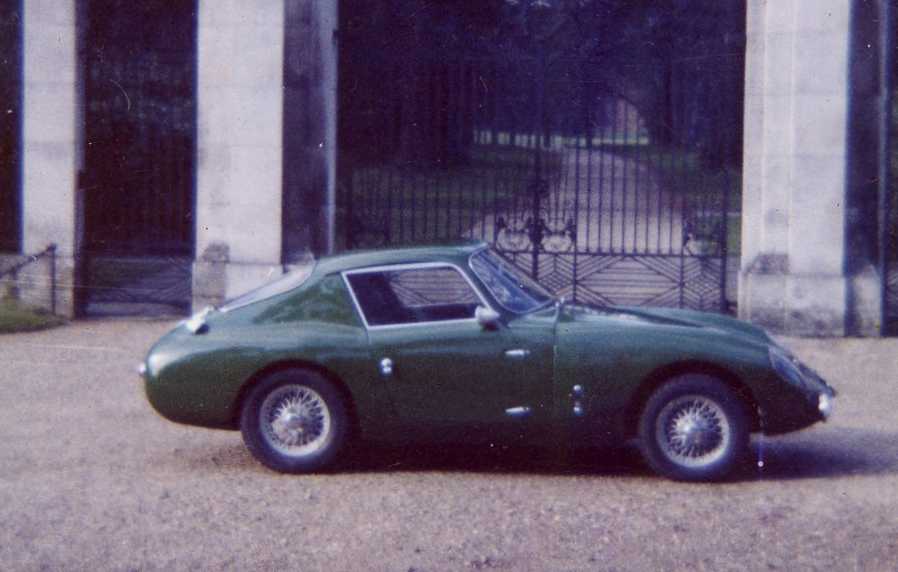
Chapter II — The Original Nine
The Original Nine
The original run of nine cars were offered in three distinct variants to suit the specific needs of the drivers:
- Sprint: Lightweight, spaceframe construction designed specifically for competition. WSM 201 carried an aluminium bonnet; all others used fibreglass.
- GT: Built to GT specification for road and weekend racing. These retained the original Sprite floorpan and chassis, making them slightly heavier but more versatile.
- Ultra-Lightweight: Two special fibreglass bodies constructed by Ray Halsall — WSM 205 (built for Mike White) and WSM 206 (campaigned by Douglas himself).
WSMs 203 and 204 were exported to San Francisco in May 1963, which prompted Dr George Snively and Dr Clinton Chichester to establish WSM America Ltd, with representation also advertised in New York, Montevideo and Santiago.
WSM 207 was exported to New York for American serviceman Joel Nelson, while WSM 208 — the tenth body — was retained by Douglas for many years, eventually completed as a racing car in 2009.
Chapter III — Racing Achievements
Racing Achievements
WSMs were not garage queens; they were built to race. Mike Lewis took WSM 202 to numerous victories in 1963. The marque proved its endurance capabilities early on: at the 1963 Six Hour Relay, WSMs 201 and 206 competed as part of Sprite teams, securing a highly respectable 8th overall. Two years later, a WSM achieved 5th place.
The most prestigious early outing came in 1964 at the Nürburgring Nordschleife, during the support race for the German Grand Prix. Peter Jackson drove WSM 201 to a remarkable 3rd in class on one of motorsport’s most demanding circuits. The following year, at the same venue for the Rennen 500km, Peter repeated the achievement with another 3rd in class.
1962
WSM 201 — first car completed at Delta Garage, Isle of Man
1963
Six Hour Relay — WSMs 201 & 206 finish 8th overall
1963
WSM 203 & 204 exported to San Francisco, USA
1964
Nürburgring GP support — Peter Jackson 3rd in class
1965
Nürburgring Rennen 500km — 3rd in class repeat
1965
Six Hour Relay — WSM finishes 5th
Chapter IV — WSM 208
WSM 208 — The Last DW-S Build
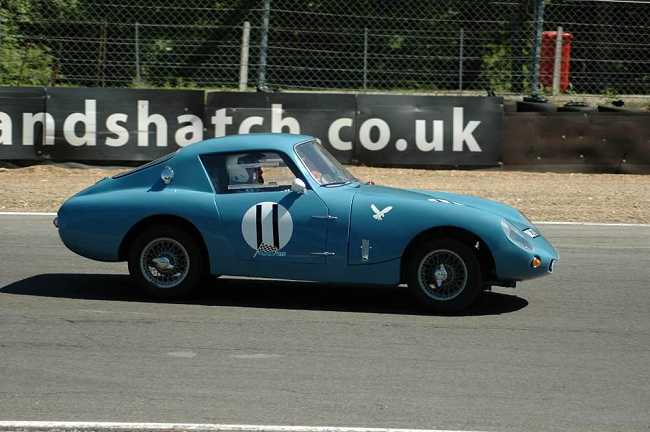
The story of the original WSMs does not end in the 1960s. A 10th body was kept by Douglas Wilson-Spratt as a spare for many decades. It was not until 2009 — a full 44 years after the original nine cars were completed — that this final original body was united with a chassis and completed as WSM 208.
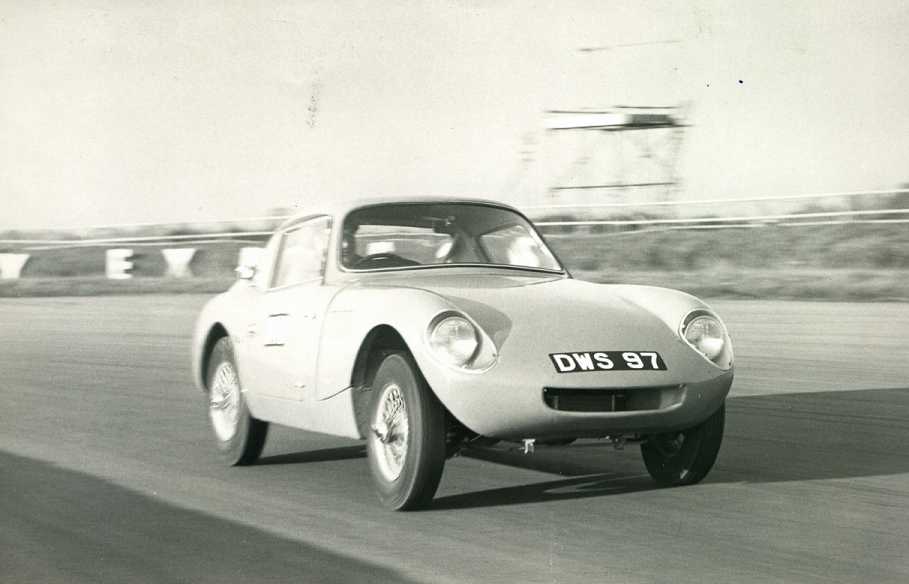
WSM 208 carries the registration DWS 97 — the same number Douglas used throughout his racing career — and stands as a unique bridge between the original era and the S2 cars of today. It sold at Bonhams at the Goodwood Members Meeting in April 2023.
Chapter V — The Sanction 2 Era
The Sanction 2 Era
In the early 2000s, Anthony Wilson-Spratt and Paul Woolmer began the Sanction 2 build programme — a new generation of WSMs built with the blessing and oversight of Douglas himself. WSM Cars LLP was formed in Bedfordshire in 2010.
Each Sanction 2 car continues the original production manifest, picking up where Douglas left off. WSM 401 through 407 have been completed or are in progress — available as GT (road) or Sprint (competition) variants, all faithful to the original design philosophy.